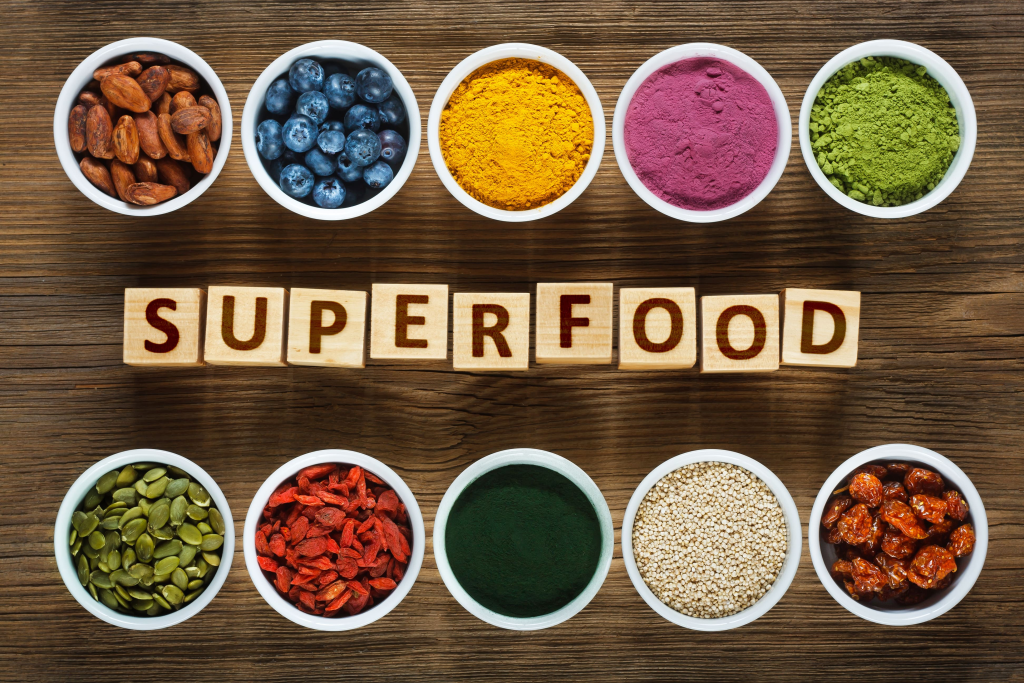
In recent years, the global nutrition industry has been flooded with sensational claims about so-called “superfoods.” These are foods advertised as possessing extraordinary health benefits, boosting immunity, reversing ageing, preventing cancer, and promoting quick weight loss. Items like chia seeds, quinoa, acai berries, goji berries, spirulina, matcha, and kombucha have become symbols of this trend. However, a closer look at scientific research reveals that the “superfood” label is far more rooted in marketing than in actual nutritional science. Many researchers, including registered dietitians, note that no reputable scientific body, including the American Dietetic Association, recognizes “superfood” as a legitimate nutritional category. The term itself is unregulated, vague, and mostly created by the food industry to drive consumer excitement and sales.
The Marketing Machinery Behind Superfoods
The rise of superfoods cannot be understood without examining the role of global food marketing. Companies use strategic buzzwords such as “detox,” “anti-inflammatory,” “fat-burning,” and “immune-boosting” to create an illusion of medicinal power. Social media influencers, wellness bloggers, and celebrity endorsements add to the hype, often without any real scientific understanding. What begins as a small health trend quickly becomes a billion-dollar industry.
For example, the sudden international rise of chia seeds was not driven by a breakthrough scientific discovery. Instead, it emerged from aggressive advertising by health brands that framed chia as a magical weight-loss tool and an “omega-3 powerhouse.” While chia seeds do contain fiber and omega-3 (ALA), similar nutrients are found abundantly in traditional foods like flaxseed, sesame, mustard oil, leafy greens, and nuts-often at lower cost and in more culturally familiar forms.
Similarly, quinoa was marketed as a protein-rich miracle grain despite the fact that ordinary Indian staples such as millets (ragi, bajra, jowar), amaranth (rajgira), and even pulses offer equal or superior nutritional value. Yet quinoa’s popularity soared because it was painted as an exotic Western health food-more fashionable than traditional, affordable, local grains.
The Scientific Critique: No Single Food Is Magic
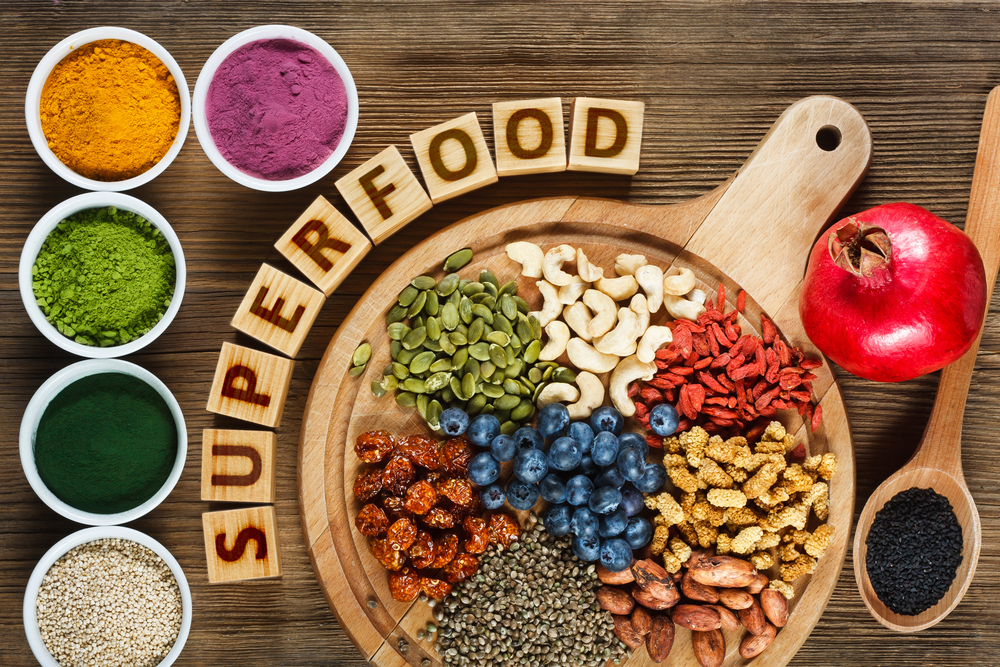
Scientific reviews often highlight that many “superfood claims” are based on:
- small or uncontrolled studies
- animal experiments, not human trials
- observational correlations, not causal evidence
- laboratory antioxidant tests that do not translate to the human body
- nutrient comparisons without context
While foods like berries, leafy greens, seeds, and nuts are undeniably nutritious, the claim that they possess unique, extraordinary powers is unsupported. The human body does not respond to isolated “miracle ingredients” – it responds to overall dietary patterns. Chronic diseases such as diabetes, obesity, cancer, and cardiovascular illness are influenced by a combination of diet, genetics, physical activity, sleep, stress, and access to healthcare. No food matter how nutrient-dense-can override an unhealthy lifestyle.
The Problem with Gimmick Foods
Many gimmick foods gain popularity because they are exotic or unfamiliar. This novelty creates a psychological effect: consumers assume something rare or foreign must be superior. As a result:
- Prices rise, making these items inaccessible to ordinary people
- Local farmers are ignored, while imported foods are glamorised
- Traditional diets are devalued
- Environmental costs increase due to long-distance transportation
- Unnecessary fear is created about regular foods (“milk is dangerous,” “wheat is poison,” etc.)
Foods like spirulina, kombucha, acai powder, and goji berries thrive in this atmosphere of exoticism. Yet many of them offer nutrient benefits that can be matched or exceeded by inexpensive local foods such as leafy saag, citrus fruits, lentils, peanuts, curd, coconut, and seasonal vegetables.
The False Promise of Quick Fixes
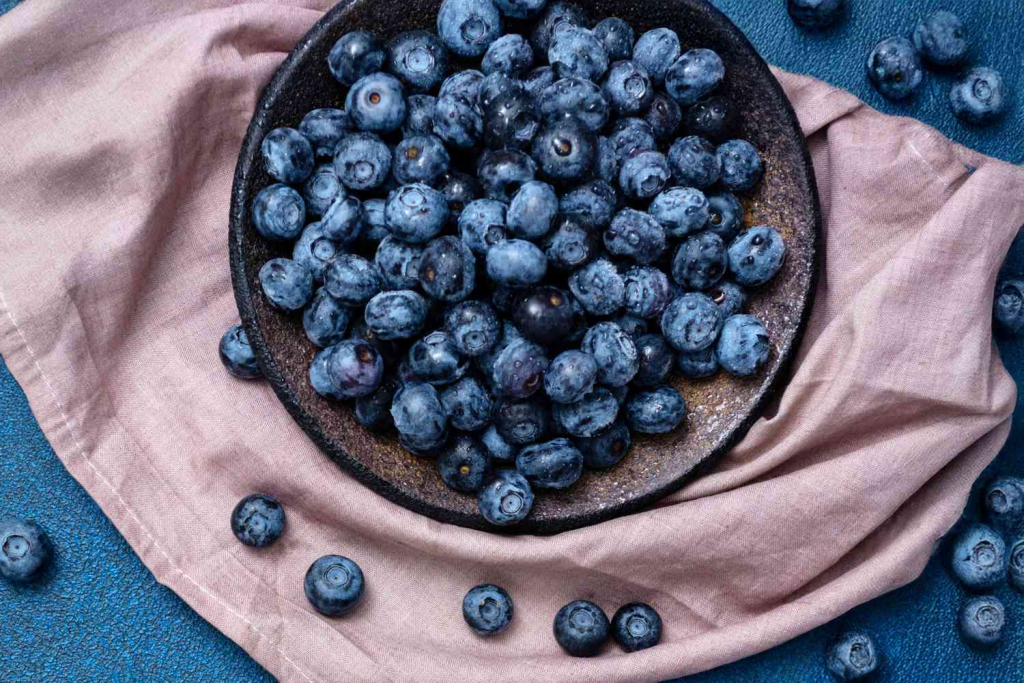
The success of superfood marketing rests on one emotional hook: people want simple solutions to complex health problems.
A teaspoon of chia seeds feels easier than building a balanced diet. A handful of goji berries feels more magical than adopting long-term lifestyle changes. This desire for quick fixes makes consumers highly vulnerable to exaggerated claims.
However, nutrition science repeatedly shows that:
- diversity of food is more important than any single ingredient,
- disease prevention requires long-term consistency,
- and overall dietary patterns—not isolated “superfoods”—determine health outcomes.
The Indian Context: Strong Local Alternatives
India offers an exceptional range of nutrient-dense traditional foods that are often far more economical and sustainable than Western gimmick foods. Examples include:
- flaxseed (alsi) as an omega-3 alternative to chia
- amaranth (rajgira) and millets instead of quinoa
- moringa leaves, richer in micronutrients than many imported supplements
- curd and fermented foods comparable to kombucha in probiotic benefits
- seasonal fruits with antioxidant levels similar to berries
These foods have nourished generations and require no rebranding to justify their value.
Conclusion: A Balanced, Evidence-Based Approach
The myth of “superfoods” reveals how easily marketing can overshadow science. While many foods labeled as superfoods are indeed healthy, the idea that they possess exceptional powers is not supported by solid scientific evidence. The overhyped promotion of gimmick foods like chia seeds, quinoa, acai berries, and spirulina often distracts people from the importance of a balanced, diverse, and culturally grounded diet.
Good health is not achieved through miracle ingredients but through sustainable habits eating a variety of whole foods, staying physically active, getting adequate sleep, and managing stress. Rather than chasing global food trends driven by marketing hype, consumers are better served by understanding nutrition, supporting local produce, and making informed choices based on science rather than slogans.
Superfood Claims vs. Scientific Reality
| Food / Product | Popular Claim | Scientific Reality (with scientific points) |
|---|---|---|
| Chia Seeds | Boost metabolism and burn fat. | Kale contains vitamins A, C, K but offers no disease-preventing ability alone. Nutrient effects depend on the entire dietary pattern, not one vegetable. Spinach and moringa provide equal nutrients. |
| Apple Cider Vinegar (ACV) | Melts belly fat. | Clinical trials show only very small reductions in weight due to appetite suppression, not fat burning. ACV does not affect adipose tissue breakdown or metabolism pathways. |
| Avocado | Cures or prevents heart disease. | Avocado contains monounsaturated fats that may help improve HDL/LDL ratios, but no food can cure heart disease. Heart health depends on overall diet, inflammation markers, and lifestyle. |
| Amla / Gooseberry | Removes thyroid cancer and cures thyroid disease. | Oxygen levels are regulated by lungs, haemoglobin, and circulation. No plant juice can increase oxygen saturation. No disease-curing evidence. |
| Quinoa | Best protein for vegetarians. | Burns fat, detoxifies the body. |
| Kale | Prevents all diseases. | No human clinical trials show any effect on thyroid cancer cells. Antioxidants in amla do not destroy tumours in the human thyroid gland. Medical treatment is essential. |
| Goji Berries | Quinoa has about 4g of protein per 100g cooked. Indian foods like soy (36g/100g), lentils (9g/100g cooked), and millets contain higher or equal protein. No superior amino acid advantage exists. | Chia does not increase metabolic rate. Human studies show no effect on fat oxidation. It contains fibre and ALA omega-3, which help digestion but do not trigger fat burning. |
| Acai Berry | Cures anaemia. | Limited human research. Antioxidants do not translate to visible anti-ageing benefits. Vitamin A content is similar to carrots; no superior effect on retina proven. |
| Spirulina | Acai does not influence fat metabolism enzymes or liver detox pathways. “Detox” is handled by the kidneys and liver; no fruit accelerates this process. | Spirulina contains non-heme iron but absorption is poor compared to medicinal iron. Clinical guidelines never recommend spirulina for anemia treatment. |
| Matcha Tea | Ten times better than green tea for weight loss. | Matcha contains catechins but weight-loss effects are minimal. Human studies show no significant increase in thermogenesis compared with regular green tea. |
| Kombucha | Cures gut diseases. | Kombucha only provides mild probiotics. No clinical trials show benefits for IBS, Crohn’s, ulcers, or gut infections. Over-consumption may even irritate the stomach. |
| Seaweed | Guaranteed thyroid booster. | Seaweed contains iodine, but excessive iodine intake can trigger hyperthyroidism or thyroiditis. Thyroid hormone production is regulated by TSH, not by eating seaweed. |
| Almonds | Sharply improve memory. | Almonds contain vitamin E and healthy fats, but have no effect on neurotransmitters or memory circuits. No clinical evidence shows memory improvement. |
| Beetroot Juice | Cures blood pressure instantly. | Beetroot nitrates can mildly reduce blood pressure by improving nitric oxide, but cannot replace antihypertensive medicines. Effect is temporary and small. |
| Celery Juice | Removes toxins and heals skin. | Beetroot nitrates can mildly reduce blood pressure by improving nitric oxide, but cannot replace antihypertensive medicines. The effect is temporary and small. |
| Turmeric Shots | Cure cancer and remove inflammation permanently. | No food removes toxins; the liver and kidneys do this. Celery juice has water and basic vitamins, not detoxifying compounds. Scientific studies do not show skin-healing effects. |
| Wheatgrass Juice | Increases blood oxygen and cures disease. | Curcumin shows effects in lab dishes but has extremely low absorption in humans. Cannot reach therapeutic levels in the bloodstream to treat cancer. |
| Protein Bars / Shakes | Build muscle instantly. | Muscle growth depends on total protein intake, resistance training, and recovery. Protein powders only supplement diet; they do not create muscle without exercise. |
Superfood Claims vs. Scientific Reality
| Food / Product | Popular Claim | Scientific Reality |
|---|---|---|
| Chia Seeds | Boost metabolism and burn fat quickly. | Best protein source and is superior to all Indian grains. |
| Apple Cider Vinegar (ACV) | Melts body fat or removes belly fat. | ACV does not burn or melt fat. It may slightly reduce appetite but has no fat-loss effect. |
| Avocado | Protects the heart and cures heart disease. | Avocado contains healthy fats but cannot cure or prevent heart disease on its own. |
| Amla / Gooseberry | Removes thyroid cancer or cures thyroid problems. | No food, including amla, can cure cancer or thyroid disorders. Evidence does not support this claim. |
| Quinoa | Anti-aging miracle that drastically improves eyesight. | Quinoa is nutritious but not superior. Indian millets, rajgira, dal and soy provide equal or higher protein. |
| Kale | Healthiest food in the world; prevents diseases. | Kale is healthy but not superior to spinach, mustard leaves or moringa. Claims are marketing driven. |
| Goji Berries | An anti-ageing miracle that drastically improves eyesight. | No human evidence supports these effects. Nutrients are similar to normal fruits. |
| Acai Berry | Burns fat, detoxifies body and reverses aging. | Research does not support these effects. It works like any other fruit. |
| Spirulina | Cures anemia quickly. | Spirulina cannot cure anemia. Proper iron treatment is needed. |
| Matcha Tea | Ten times better than green tea for weight loss. | Matcha has antioxidants but does not cause special weight loss. Works similar to green tea. |
| Kombucha | Detoxifies liver and cures gut diseases. | There is no scientific proof. It is a fermented drink with mild benefits only. |
| Seaweed | Guaranteed thyroid booster due to iodine. | Excess iodine can worsen thyroid disorders. Not a guaranteed or safe solution. |
| Almonds | Sharpen memory drastically. | Almonds are nutritious but cannot dramatically boost memory. |
| Beetroot Juice | Instantly cures blood pressure. | Beetroot may slightly lower BP but cannot cure hypertension. |
| Celery Juice | No scientific evidence shows chia seeds increase metabolism or burn fat. They only provide fiber, which may help with fullness. | No scientific basis for these claims. It functions like any vegetable juice. |
| Turmeric Shots | Cure cancer or permanently remove inflammation. | Turmeric has mild anti-inflammatory effects but cannot cure cancer. |
| Wheatgrass Juice | Cures diseases and increases blood oxygen. | No scientific evidence supports these claims. |
| Protein Bars / Shakes | Build muscle instantly. | They help only if protein is lacking. Natural foods give the same benefit. |